Update: We are currently working on numerous articles on systems of swordplay and obtaining rare sources but have few Web design skills. Leave a message on the “Contact Us” page if you wish to participate.
Aim: An effort to catalogue the various sources, dispel myths and create new textual evidence of the Historic Martial Arts of the South Asian/Indian Subcontinent.
The cataloguing of the below evidence is our main purpose alongside experimental archaeology in combining these forms of evidence:
- Textual Evidence (Manuscripts, Manuals, Guides, Paintings)
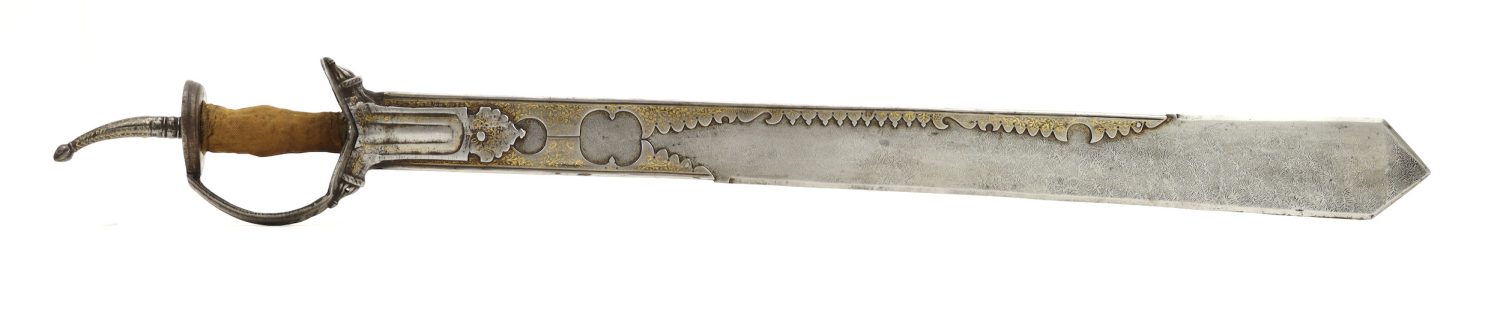
- Material Culture (Weapons and associated physical objects)
- Oral Traditions (Stories passed through the ages)
- Living Traditions (living descendent arts and social customs still practiced)
What is “South Asian”?
South Asia encompasses the lands of the Hindu Kush and beyond the Indus river, in the west, to the Naga Hills/Arakan Mountains, in the east. From the Himalayas and Gangetic plains, in the North, to Madurai and Sri Lanka in the South.
Historically known as Hindustan, the area is diverse, hosting multiple competing states (Nepal, Pakistan, India, Sri Lanka, Maldives), is religiously varied with indigenous groups of Christians, Hindus, Sikhs, Muslims, Jains, Buddhists, Jews, Zorastrians and local folk religions.
Ethnically, there are 1000s of varied people’s, not limited to; Assamese, Punjabis, Purbiyans, Pathans, Rajputs, Hazara, Bengali, Tamil, Tulu, Telugu as well as Persianate influenced groups.
What Kind of Martial Arts
Until such point that we receive assistance in studying other disciplines, we will be focusing on the hand to hand and melee weapons.
Although there is a long history of archery in the Subcontinent, stretching back to the Dhanurveda and highly influenced by Persianate empires, this is beyond my scope (contact us if you which to collaborate to expand this area).
Similarly; rifling, firearms and gunpowder are all beyond our current scope/understanding.
 HSAMA.ORG : Historic South Asian Martial Arts